
+48 752 145 145


Helvicon develops material technology that combines the demands of industry with the rhythm of nature. We create potato starch-based biopolymers for film, packaging and brands that want to modernize their portfolios and achieve ESG goals. As part of the Telmax Group — a company that has been involved in construction for years — we combine scale with the flexibility of innovative research and development. Our vision is a world where plastics designed for the entire life cycle are the standard.
Read more >


Helvicon biopolymers are created from a combination of potato starch and modern modifying additives. We design them to behave predictably on production lines and enable the creation of sustainable films and quality disposable products
Each material passes a series of laboratory tests and industrial tests. As a result, our partners gain ready-to-implement solutions that support production efficiency, ESG objectives and a modern brand image.

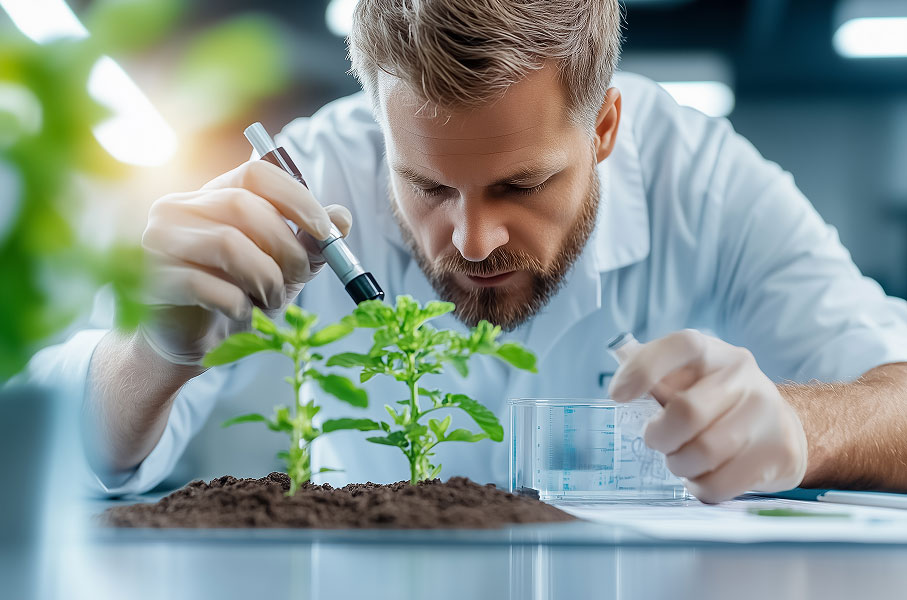


Biopolymers are a group of polymer materials made wholly or partly from renewable raw materials such as plant starch.
In the materials developed under the Helvicon brand, one of the key ingredients is potato starch, which, after appropriate processing, can serve as a base for modern polymer materials. During the modification process, it can be converted into thermoplastic starch (TPS - Thermoplastic Starch) used in biopolymer production.
We develop Helvicon biopolymers for film and packaging manufacturers, as well as for industries using polymer materials across a wide range of industrial applications.
Thanks to formulations based on potato starch, our materials can support sustainability strategies and ESG goals while remaining compatible with existing production lines used in the plastics industry.
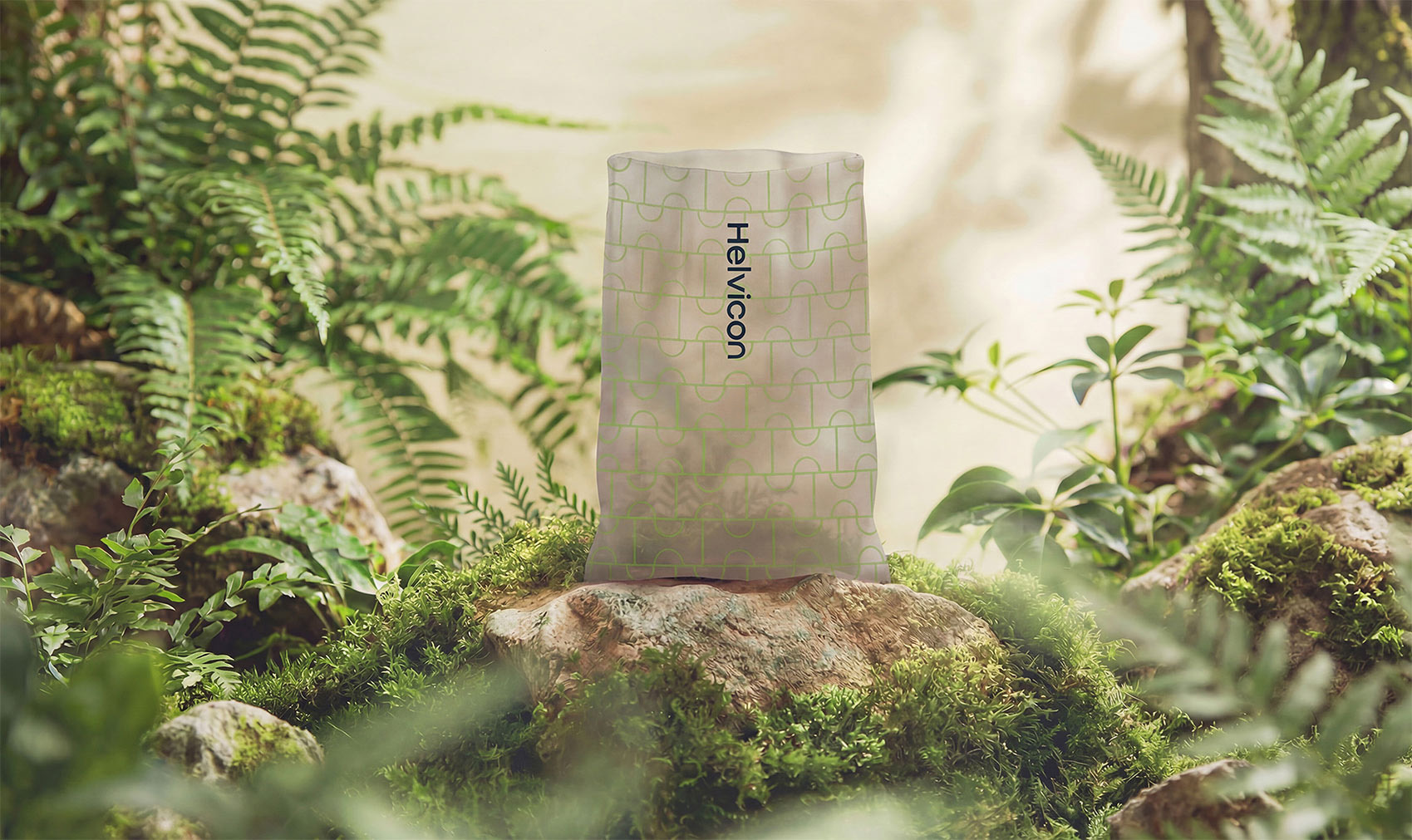
Helvicon biopolymers are designed for film, packaging, agriculture, horticulture and technical industries. They enable sustainable solutions to be implemented where both quality and an environmentally conscious approach are important.
With materials based on potato starch, brands can expand their offer with a new generation of products: compostable films, packaging and disposable products that support the achievement of ESG objectives and stand out in the market for their innovative character.
Biopolimery Helvicon bazują przede wszystkim na skrobi ziemniaczanej oraz wybranych surowcach odnawialnych. Odpowiednio dobrane dodatki modyfikujące pozwalają uzyskać właściwości zbliżone do klasycznych tworzyw, przy jednoczesnym wpisaniu materiału w ideę zrównoważonego obiegu.
Tak, wybrane kompozycje są projektowane z myślą o opakowaniach spożywczych. Dążymy do tego, aby spełniały odpowiednie wymagania prawne i mogły być objęte stosownymi certyfikatami. Szczegółowy dobór materiału zawsze omawiamy indywidualnie z działami jakości i R&D po stronie klienta.
W większości przypadków materiały Helvicon można przetwarzać na standardowych liniach do wytłaczania, rozdmuchu czy termoformowania. Na początku realizujemy serię testów, podczas których dopasowujemy parametry procesu tak, aby przejście na nowy materiał było płynne i komfortowe dla zespołu produkcyjnego.
Biodegradowalność oznacza, że materiał może ulec rozkładowi na związki proste pod wpływem mikroorganizmów. Kompostowalność to biodegradacja w ściśle określonych warunkach – np. w instalacjach kompostowania przemysłowego – w zdefiniowanym czasie i bez niepożądanych pozostałości. Naszym celem jest projektowanie materiałów, które spełniają wymagania dotyczące kompostowania określone odpowiednimi normami.
Helvicon biopolymers are primarily based on potato starch and selected renewable raw materials. Properly selected modifying additives allow to obtain properties similar to classic plastics, while incorporating the material into the idea of sustainable circulation.
Yes, selected compositions are designed with food packaging in mind. We strive to ensure that they meet the relevant legal requirements and can be covered by the relevant certificates. We always discuss the detailed material selection individually with the quality and R&D departments on the customer's side.
In most cases, Helvicon materials can be processed on standard extrusion, blow or thermoforming lines. At the beginning, we carry out a series of tests, during which we adjust the parameters of the process so that the transition to the new material is smooth and comfortable for the production team.
Biodegradability means that the material can be broken down into simple compounds under the influence of microorganisms. Compostability is biodegradation under strictly defined conditions — e.g. in industrial composting plants — within a defined time and without undesirable residues. Our goal is to design materials that meet the composting requirements set by the relevant standards.
Helvicon biopolymers are primarily based on potato starch and selected renewable raw materials. Properly selected modifying additives allow to obtain properties similar to classic plastics, while incorporating the material into the idea of sustainable circulation.
Yes, selected compositions are designed with food packaging in mind. We strive to ensure that they meet the relevant legal requirements and can be covered by the relevant certificates. We always discuss the detailed material selection individually with the quality and R&D departments on the customer's side.
In most cases, Helvicon materials can be processed on standard extrusion, blow or thermoforming lines. At the beginning, we carry out a series of tests, during which we adjust the parameters of the process so that the transition to the new material is smooth and comfortable for the production team.
Biodegradability means that the material can be broken down into simple compounds under the influence of microorganisms. Compostability is biodegradation under strictly defined conditions — e.g. in industrial composting plants — within a defined time and without undesirable residues. Our goal is to design materials that meet the composting requirements set by the relevant standards.
Helvicon combines biopolymer science with industrial expertise. We develop compositions based on potato starch and then test them in laboratories and on production lines to ensure predictable material behavior at each stage.
This approach allows our partners to introduce material innovations in a controlled manner — with clear parameters, certification and full technological support at every step of the implementation.


Film and packaging manufacturers, FMCG brands, retail chains and companies from the agricultural, logistics and construction sectors cooperate with us. They are united by one thing: the pursuit of modern, sustainable materials that reinforce the product offer and the image of a responsible brand. Together, we design solutions that fit into ESG strategies and prepare the business for future market requirements.






We share knowledge about biopolymers, examples of implementations and comments on regulatory changes. Here you will find inspiration and concrete tips on how to develop your portfolio based on the new generation of materials.
Aleja Wojska Polskiego 32E,
77-300 Człuchów


